


















































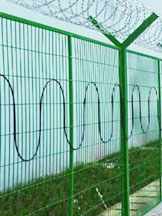
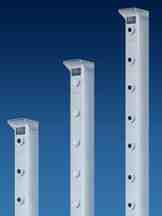

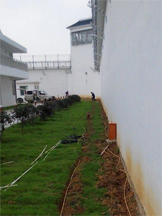























As security technology continues to advance, Electronic Fences have become the preferred security equipment in many places. Among them, Pulse Electronic Fences and Tension Electronic Fences are especially popular in the market. Each has its own features and scope of application, and understanding their differences is key.
I. Overview
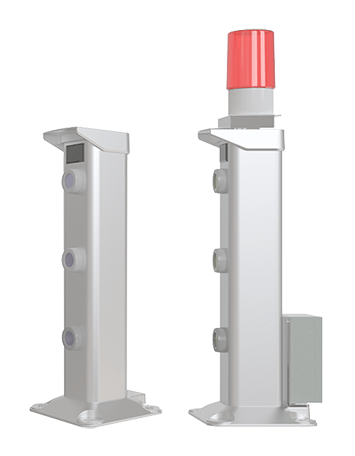
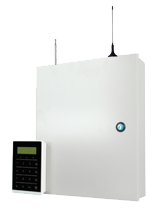
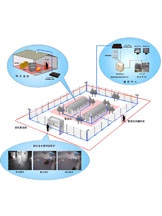
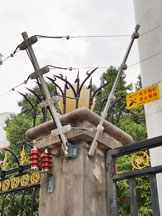
An Electronic Fence mainly consists of a front-end fence, a control unit and an alarm system. Its main function is to prevent illegal intrusion while also providing deterrence. According to its working principle, it is mainly divided into two types: pulse and tension.
II. Pulse Electronic Fence
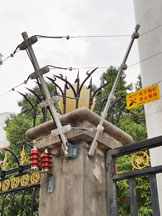
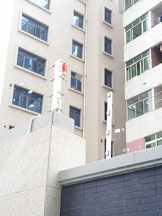
Working principle: the Pulse Electronic Fence transmits a high-voltage, low-current pulse signal along the fence. When an intruder touches the fence, the pulse signal is disrupted, triggering the alarm system.
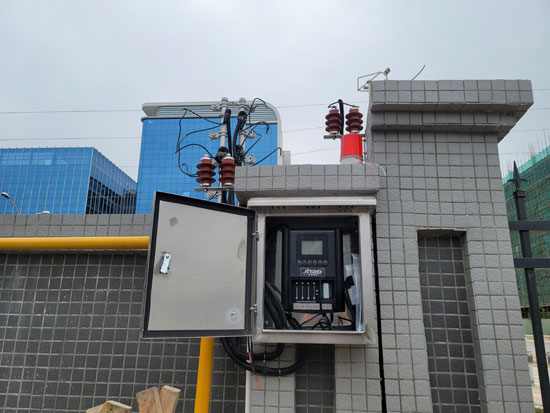
Advantages:
Strong deterrence: the continuous pulse signal has a certain deterrent effect on intruders.
High accuracy: thanks to the characteristics of the pulse signal, it can effectively distinguish people from animals and reduce false alarms.
Easy installation: compared with the tension type, the pulse type is easier to install.
Applications: suitable for places requiring a higher security level, such as military bases and nuclear power plants.
III. Tension Electronic Fence
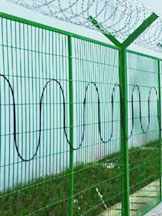
Working principle: the Tension Electronic Fence applies a certain tension to the fence and uses sensors to monitor changes in tension. Once an intruder touches the fence and the tension changes, the alarm system is triggered.
Advantages:
High sensitivity: it is very sensitive to any change in fence tension and can quickly detect intrusion.
High durability: due to its working principle, the Tension Electronic Fence is relatively more durable and less affected by the environment.
Real-time monitoring: it can monitor the fence status in real time to ensure normal operation.
Applications: suitable for places requiring long-term real-time monitoring, such as large industrial parks and warehouses.
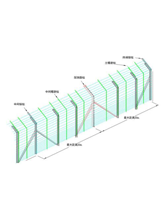
IV. Illustration (a diagram illustrating the working principles of pulse and tension Electronic Fences is required here)
V. Conclusion
Pulse and Tension Electronic Fences each have their own features and applications. Which to choose mainly depends on the specific needs and the characteristics of the site. For places requiring a high security level, the pulse type may be more suitable; for places requiring real-time monitoring, the tension type has more advantages. When choosing, environmental factors, budget and later maintenance costs should also be considered.
- Previous: What Is an Electronic Patrol Inspection System and Who Uses It?
- Next: Why Is the Pulse Electronic Fence Hard to Accept? High Cost and Safety Risks as Main Reasons
Please contact us right away or call the hotline: +86-13590284141. We will answer all your questions in detail. Project Manager Online