








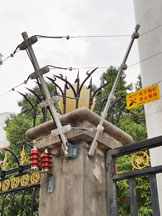
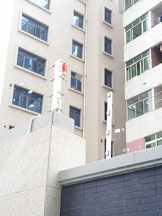
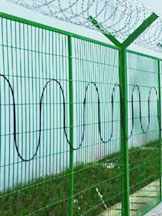












































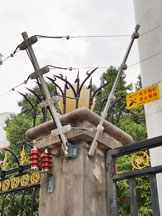
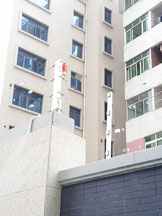
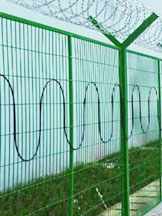
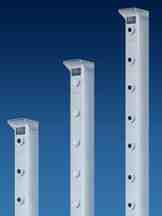


























The Pulse Electronic Fence system is the current first choice for perimeter security, and its installation steps are critical to ensuring the stable operation of the system. Here is a detailed explanation of the Pulse Electronic Fence installation steps.
I. Preliminary preparation:
Site survey: before installation, the perimeter area must be surveyed in detail to understand the terrain, landform and surrounding environment, so as to determine suitable installation positions and a plan.
Design: based on the survey results, draw up a detailed installation plan, including the fence layout, cable routing and pulse energizer configuration.
Material preparation: according to the design, prepare all required devices and materials, such as the pulse energizer, conductors, brackets and ground posts.
II. Installation steps:
Positioning and post driving: according to the design, position the start and end points of the fence and drive steel ground posts at these positions. The post depth should be no less than 50 cm to ensure stability.
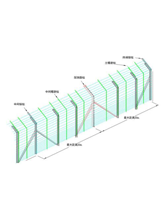
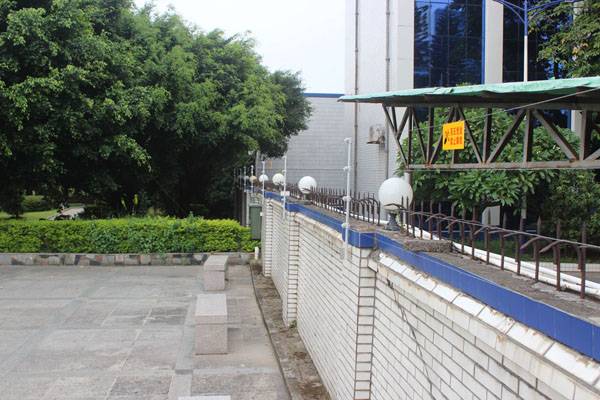
Install posts: install metal posts on the ground posts; the post height should be moderate, generally about 1.8-2 m above the ground. The posts should be fixed vertically and firmly on the ground posts.
Wire laying: use special insulated conductors to lay wires along the fence posts. The wires should maintain a certain tension and look neat overall. Pay special attention to smooth and firm routing at corners and connections.
Install the pulse energizer: install the pulse energizer at the designated position, usually inside the fence. Ensure it is well connected to the wires while leaving some slack for future maintenance.
Testing and adjustment: set a test switch at the end of each fence section and test the system regularly. If problems occur, adjust them promptly to ensure the whole system works properly.
Connect power: provide a stable DC power supply for the pulse energizer, with the voltage set according to the device requirements. Ensure the power cable is well grounded to prevent electric leakage and safety hazards.
Set alarms: as needed, alarm devices such as infrared or microwave detectors can be installed near the fence. When a person or object touches the fence, the detector triggers an alarm and notifies security personnel.
Acceptance and handover: after all installation is complete, carry out system acceptance. Test whether each function works and give the customer a brief operation training. After confirmation, hand over for use.
III. Notes:
During installation, national and local electrical safety codes should be followed to ensure the personal safety of operators and the safety of equipment.
When routing cables, avoid crossing or tangling with power and signal lines to reduce signal interference and safety hazards.
For special terrains and environments, the installation plan and technical parameters may need to be adjusted according to actual conditions.
Regularly inspect and maintain the system to ensure long-term stable operation.
In summary, Pulse Electronic Fence installation requires rigorous scheme design and careful construction. Following the above steps ensures the effectiveness, safety and stability of the system. Meanwhile, choosing high-quality equipment and materials is also an important factor in guaranteeing system performance.
- Previous: Common Cabling Methods for Passive Vibration Optical Fiber Systems
- Next: Vibration Optical Fiber Cable
Please contact us right away or call the hotline: +86-13590284141. We will answer all your questions in detail. Project Manager Online