




















































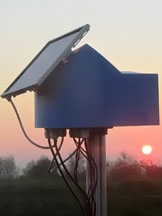
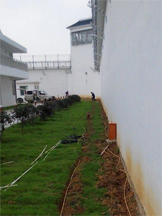























When discussing “how much does an electronic fence cost per meter,” Antongruida, the electronic fence manufacturer, once said the price depends on the number of zones. So people ask: why must electronic fences be divided into zones? Can they be left undivided? Today, Antongruida explains the zone issue in detail.
Over the past years, Antongruida has received orders of all sizes. Perimeters differ in length, and so do zone quantities.
For example, for the same 1,000-meter perimeter, some customers require 10 zones, others 8, and some orders call for more than 12 zones. So how is the number of zones determined, and why divide into so many zones at all?
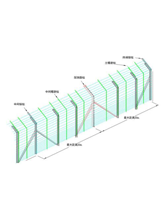
Antongruida says the number of zones is closely related to the security level required by the customer. The main rule of zone division is that a straight section should not exceed 300 meters, and each corner starts a new zone. Why?
With other conditions unchanged, the more zones an electronic fence has, the higher the security level. If a long perimeter is treated as a single zone, the excessive zone length makes it hard for the energizer's alarm to pinpoint the exact location, increasing the difficulty for staff to find the alarm area. If zones are too short, construction costs rise. Therefore, the number of zones must be decided with great care.
Antongruida emphasizes that the way zones are divided and the reasons behind it all serve one goal: the best security effect. Neither too long nor too short is good, so the final zone plan should be based on an on-site survey by the electronic fence manufacturer.
- Previous: Are Alarm Electronic Fences Really Ugly? Antongruida Says No
- Next: How to Distinguish an Electronic Fence from an Electric Grid
Please contact us right away or call the hotline: +86-13590284141. We will answer all your questions in detail. Project Manager Online