








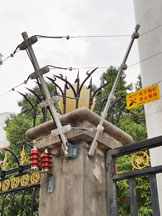
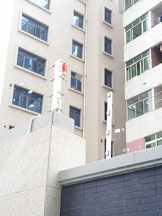










































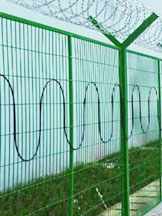
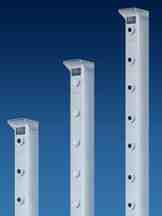
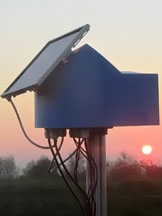
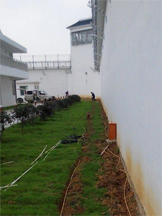


























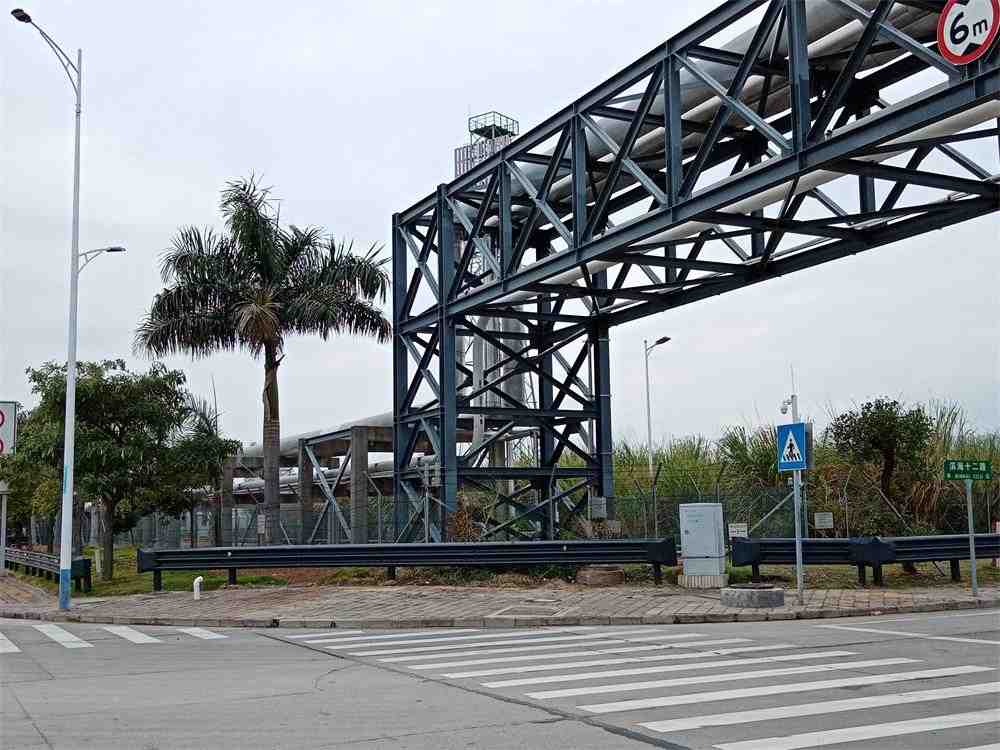
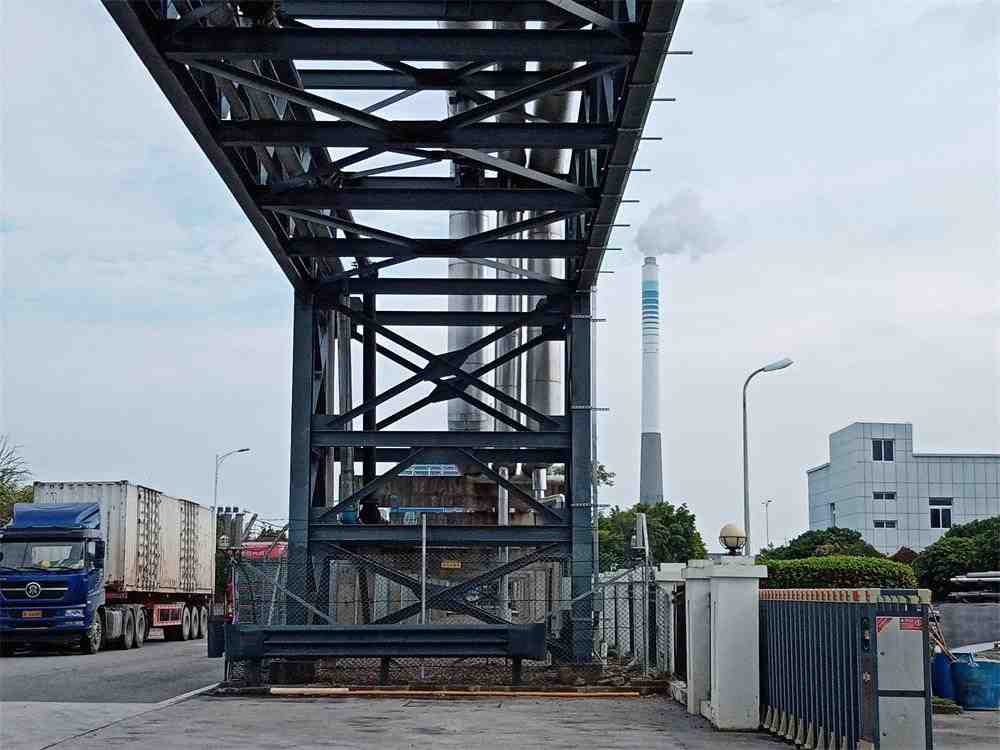
Case Study Showcase: Laser Intrusion Detector at a Petrochemical Base in Qingdao, Shandong
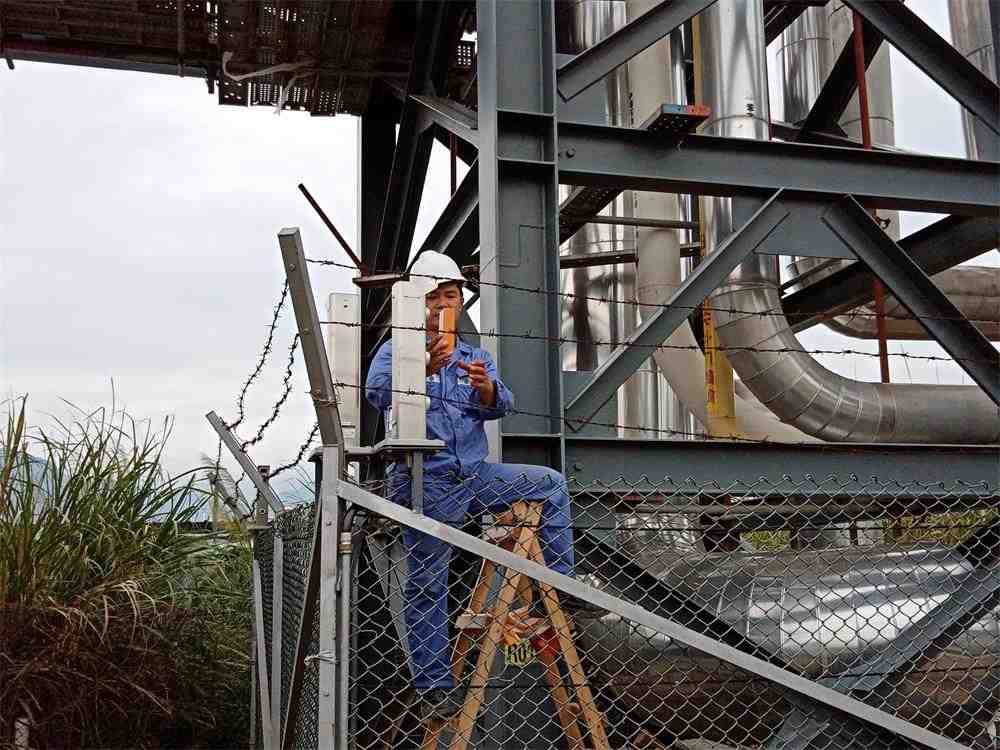
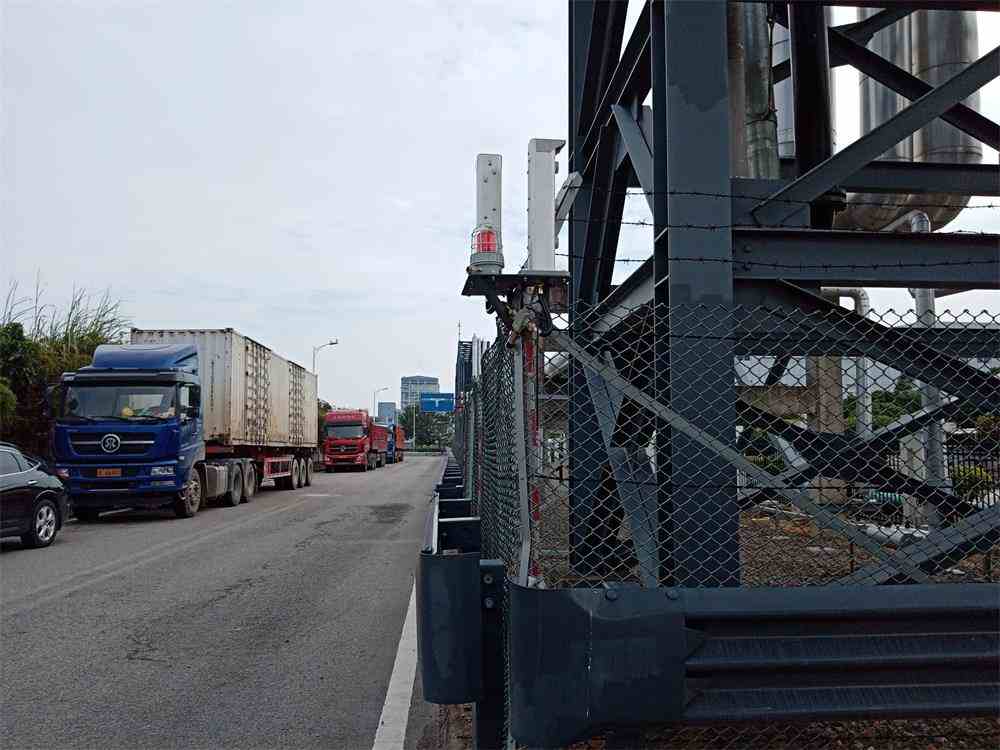
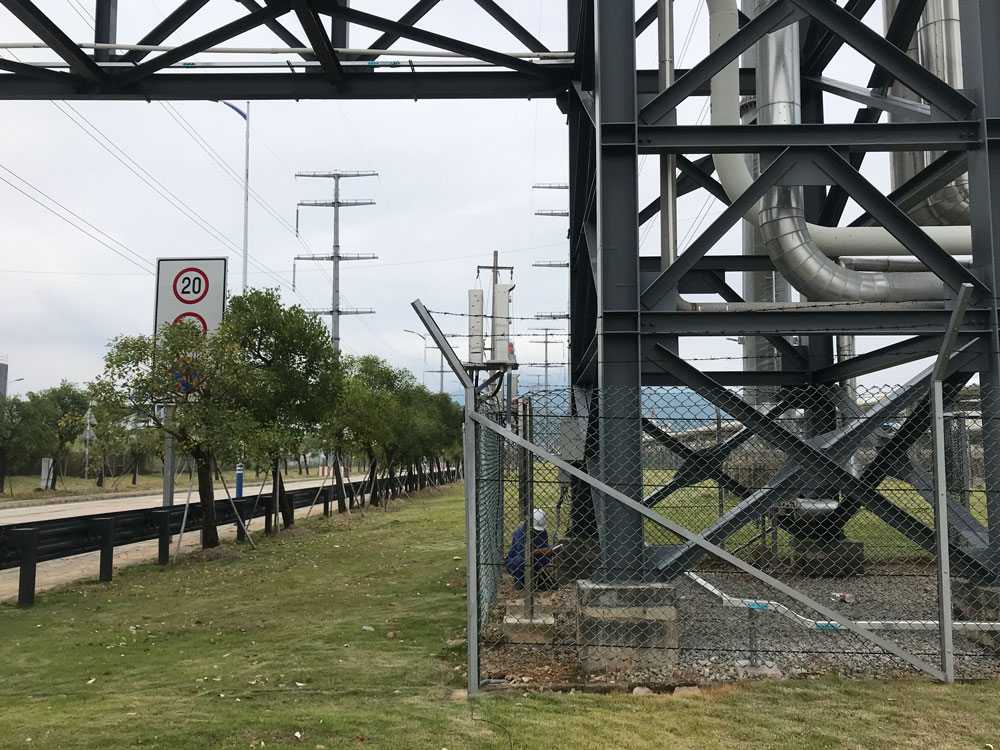
What is a Laser Intrusion Detector?
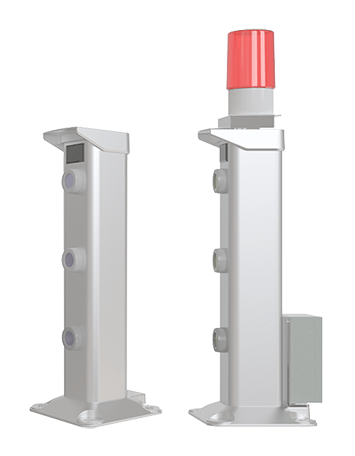
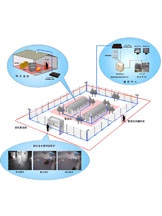
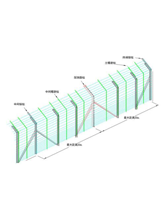
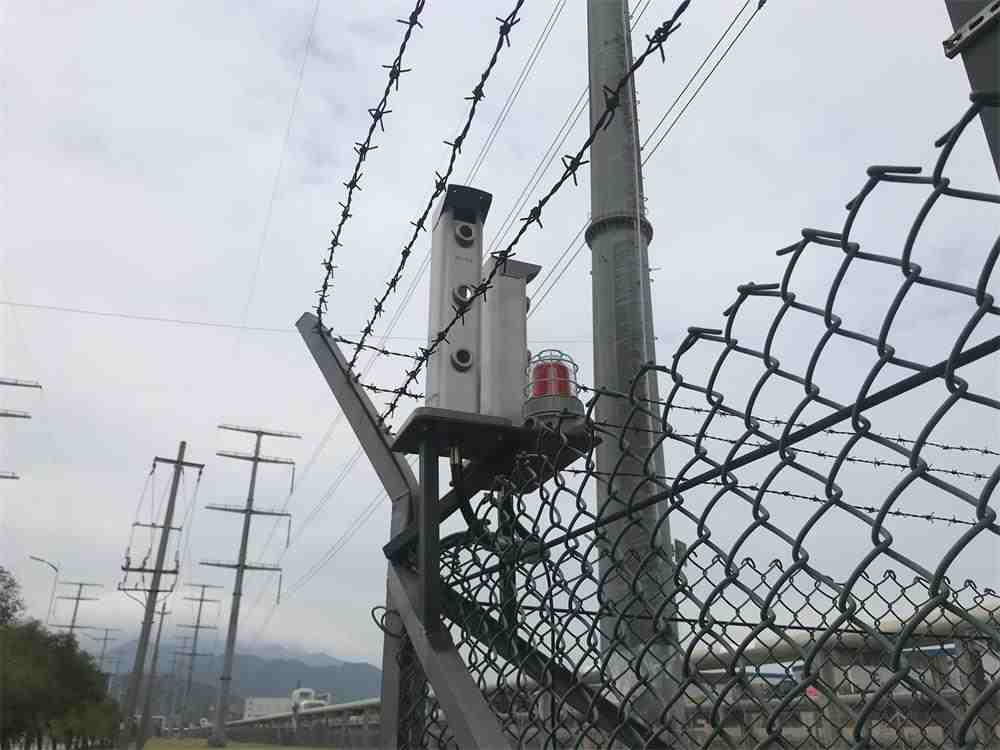
A Laser Intrusion Detector belongs to the category of active intrusion detectors and is mainly composed of a laser transmitter and a laser receiver. The laser transmitter consists of a laser emitter, a modulation excitation power supply, and corresponding direction adjustment mechanism; the laser receiver consists of a laser receiver, a photoelectric signal processor, and corresponding support mechanism. The laser transmitter emits a directional strong laser beam with good directivity, single frequency, and consistent phase. It uses invisible modulated laser beams (single or multiple beams) to form a warning line, adopting occlusion alarming to provide enclosed protection for perimeters, planes, and three-dimensional spaces. Active Laser Intrusion Detectors offer long detection distance, high sensitivity, low false alarm rate, safety and reliability, good concealment, convenient maintenance and debugging, and adaptability to various harsh weather conditions.
Product Features of the Laser Intrusion Detector:
Long detection distance and low false alarm rate. The laser beam has excellent directivity, so the light energy is concentrated and the transmission efficiency is high. The laser beam has high emission power density, small divergence angle, concentrated beam, and good directivity. Under the same power device conditions, the power density of the laser beam at the target receiver is hundreds to thousands of times that of the infrared LED beam. Therefore, under the same weather conditions, the transmission attenuation of the laser is far less than that of other similar detectors, and its ability to penetrate rain and fog is strong, with detection distance up to hundreds of meters to several kilometers, ensuring long-distance normal operation and reducing false alarms in severe weather;
Closed-circuit transmission without mutual interference. The laser beam uses closed-circuit transmission, so there is no problem of mutual interference among Infrared Beam Detectors arranged continuously along a straight line or between adjacent systems; it can be arranged continuously over long distances or crosswise at close range. Likewise, there is no problem of infrared light leakage interfering with other sensitive infrared equipment nearby;
Strong resistance to external stray light and electromagnetic interference. A well-designed optical receiver and high-power-density transmitter give this system strong anti-interference capability. Taking advantage of the excellent monochromaticity and controllable spot size of the laser beam, the system can operate normally even in severe interference environments;
Strong protection capability. Because the laser system has no mutual interference problem during continuous straight-line or small-angle arrangement (for long distances, laser repeaters are used to extend the link), continuous/cross protection can be implemented at important locations as needed. The laser system can implement multiple independent beams distributed in a plane, forming a very tight warning plane. Continuous arrangement has no crosstalk and each beam protects independently; blocking any beam triggers an alarm, thus forming a very tight warning plane and three-dimensional arrangement. It can be deployed in a highly concealed fixed manner, or in a temporary mobile or dynamic manner;
Fast on-site debugging and convenient maintenance. When equipped with a dedicated laser positioning instrument, the position of the light spot at each point can be detected at any time. Where branches, leaves, or other obstacles block the light during propagation, and in which direction and how far the spot at the turning or receiving point deviates from the center, can be directly determined, so that adjustment work can be guided accurately and quickly;
Long service life and low maintenance cost. Making full use of the characteristics of the laser system can reduce equipment purchase costs, reduce construction work, and minimize impact on the aesthetics of the environment; the laser tube is easy to replace, and maintenance costs are low.
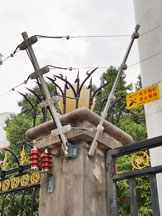
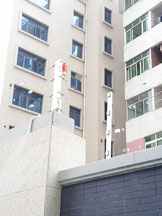
The system is stable, reliable, and highly sensitive. It is made of steel and aluminum. The mechanical structure is precise; the laser system and optical components are machined as precision instruments, with a stable internal structure. The system is fully and firmly installed. The Laser Intrusion Detection System is fixed on a steel pipe and an integrally welded flange base, and installed on a cement foundation by chemical anchoring. In addition to the inner protective cover against wind, sand, and rain, an outer protective cover is separately fixed, so as to isolate the influence of strong wind on the stability of the system structure
Micro-power energy-saving design, operating current <50uA. Powered by an external 12VDC power supply, it can operate normally in an environment of -40C to 70C without any electric heater.
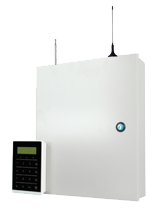
High sensitivity; the laser alarm system output is a potential-free contact, compatible with various other systems.
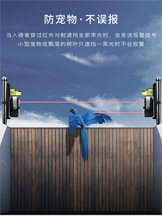
Pet interference and small-animal interference are prevented, and the false alarm rate is extremely low. The response time of the Laser Intrusion Detector is adjustable between 5ms and 1000ms (the response time of similar active detectors is between 50ms and 500ms), and the response time can be adjusted according to different on-site installation environments, adapting to a wider range of environments.
- Previous: Vibration Optical Fiber Cable
- Next: VLF Biometric Induction Fence Detector
Please contact us right away or call the hotline: +86-13590284141. We will answer all your questions in detail. Project Manager Online