
















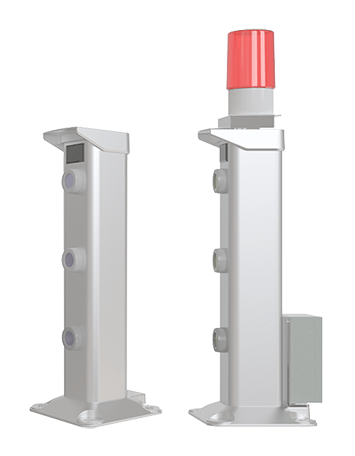
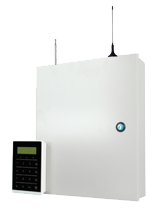


















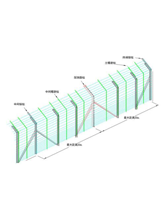

















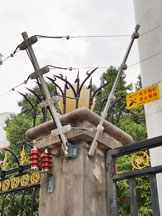
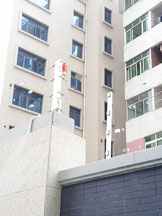
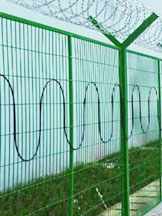
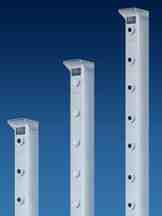

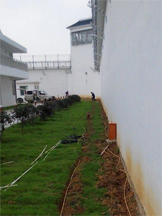



























With social progress and scientific development, people's demand for security facilities is growing day by day, such as common home anti-theft alarm systems, perimeter security anti-theft alarm systems, personal protection alarms, and fire emergency alarm management systems. The most commonly used and selected home alarm systems and perimeter anti-theft alarm systems are often the first consideration for security management departments in most regions.
Today, let Manager He of Antongruida introduce some knowledge about perimeter anti-theft alarm systems, mainly involving the communication cabling of the system, preferred network, adaptive selection for different people and places, and cost analysis.
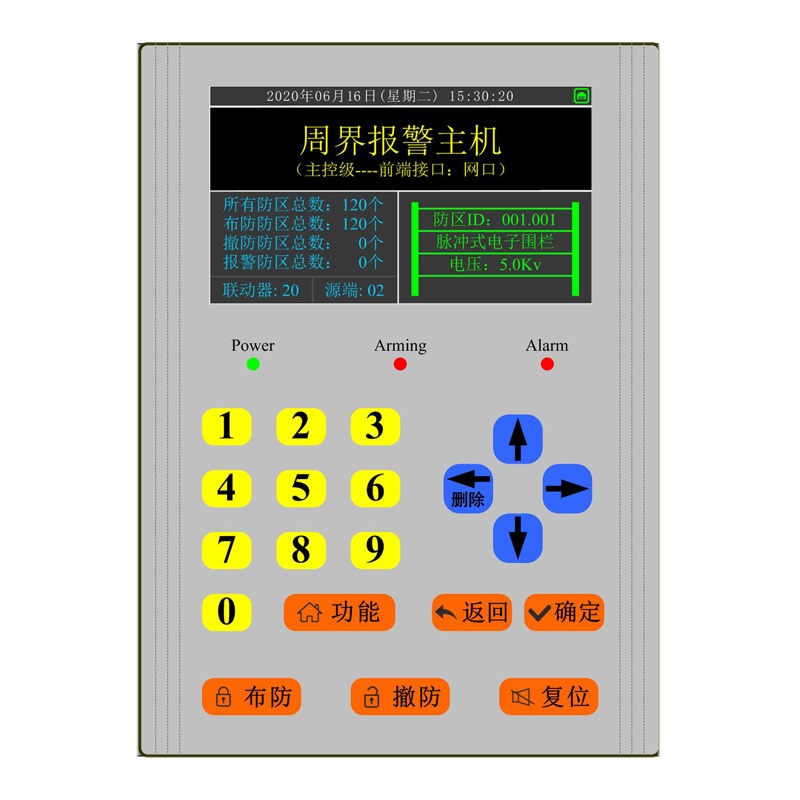
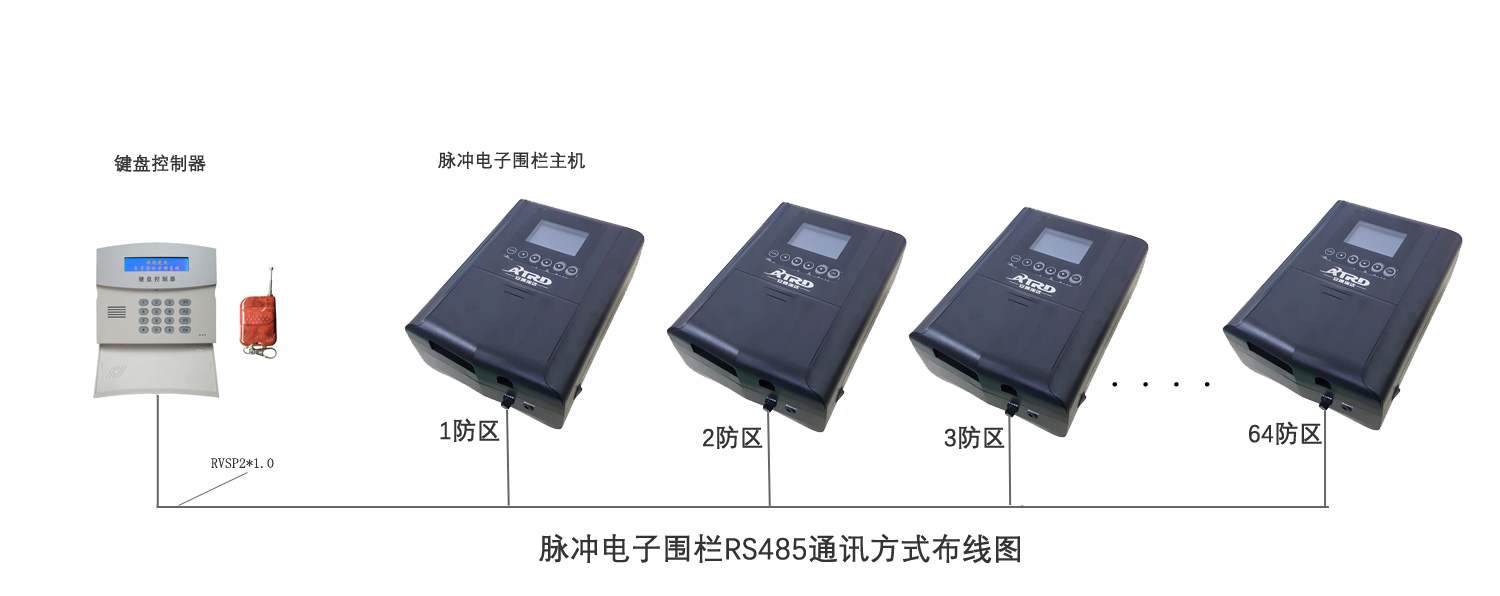
First, Manager He tells us that in security perimeter anti-theft alarm systems we can choose IP network communication, switch (on-off) communication, RS485 signal communication, CAN bus communication, and wireless 4G applications. At present, the most common are IP network communication and RS485. RS485 communication protocol: the typical serial communication standards are RS232 and RS485, which define voltage, impedance, etc., but do not define software protocols. Unlike RS232, RS485 is more suitable for multi-station communication.
About RS485 characteristics:
1. RS-485 electrical characteristics: logic “1” is represented by a voltage difference of +(2-6)V between the two lines; logic “0” by -(2-6)V. The interface signal level is lower than RS-232-C, so the interface circuit chips are less easily damaged, and this level is compatible with TTL levels, making it convenient to connect with TTL circuits.
2. The maximum data transmission rate of RS-485 is 10Mbps.
3. The RS-485 interface is robust, i.e., has good noise immunity.
4. The standard maximum transmission distance of the RS-485 interface is 4,000 feet; in practice it can reach about 3,000 meters (theoretical data; in actual operation the limit is about 1,200 meters). In addition, the RS-232-C interface only allows one transceiver on the bus, i.e., single-station capability, while the RS-485 interface allows up to 128 transceivers on the bus, i.e., multi-station capability. Users can thus easily build a device network with a single RS-485 interface.
Because of its good noise immunity, long transmission distance and multi-station capability, RS-485 has become the preferred serial interface. As a half-duplex network generally needs only two wires, RS-485 interfaces use shielded twisted pair RVSP cable. The RS485 interface connector uses a DB-9 9-pin plug/socket: the smart terminal RS485 interface uses DB-9 (female), and the keyboard RS485 interface connected to the keypad uses DB-9 (male).
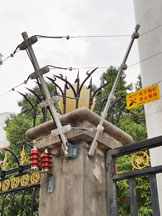
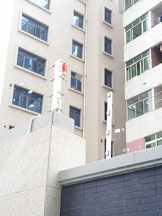
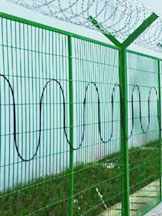
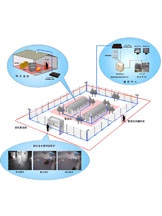
Second, about the TCP/IP network communication protocol: for LAN networking today, network surveillance is the most widely used application. When a site requiring a perimeter anti-theft alarm system has TCP/IP protocol signals and network connectivity inside or outside, the network cabling communication method can be adopted, which reduces labor costs and optimizes cabling distance. Pulse electronic fence energizers with network communication capability are connected to network switch ports and linked to the network control alarm energizer interface in the surveillance management center. By installing search software on a PC, all network devices installed and used on the network can be searched and displayed. After network IP settings, extension settings and central machine IP settings similar to a surveillance system are completed, the indoor network alarm energizer can display the running and alarm status of all pulse electronic fence energizers, and can arm/disarm them, modify zones, manage alarm time, adjust pulse voltage, and add or delete individual alarm zones. This greatly reduces early construction costs such as labor and pipes, and also benefits later maintenance: one-key arming/disarming, one-key reset and other operations can be learned by any security staff member.
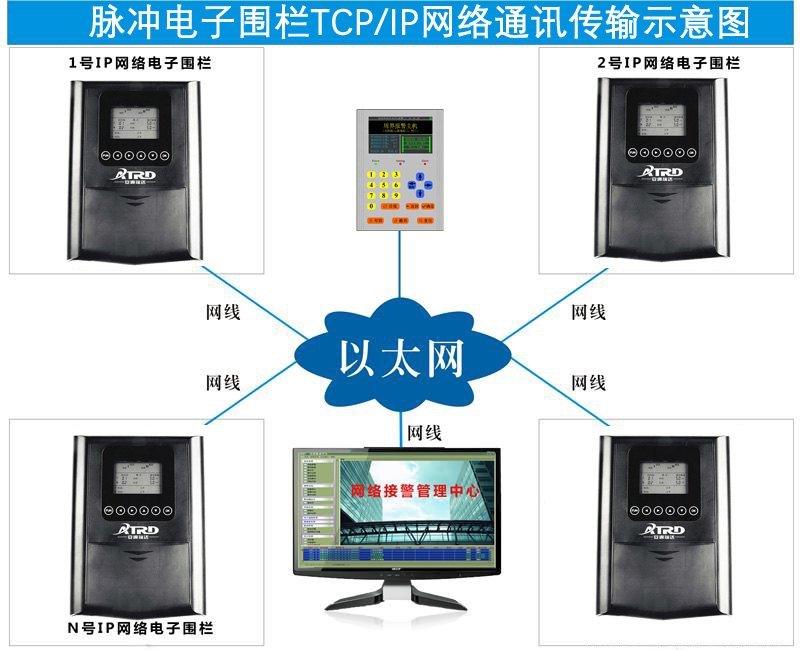
Finally, how should you choose the communication method for a pulse electronic fence? The most fundamental deciding factors are two: first, the site conditions; second, the owner's budget. Why? Because the result of both communication methods is the same — stable receipt of alarm information and timely signal transmission. Since the purpose is identical, construction cost and convenience become the decisive factors. When the perimeter wall of the site already has network communication capability — for example, other network devices, network surveillance cameras or network PTZ cameras in use, so there is already some network coverage — then choosing the network electronic fence communication method clearly saves more construction time and labor/pipe costs. When there is no network coverage or power conditions around, the RS485 cabling method can be used to set up a dedicated perimeter management alarm system with independent management and independent signals, easy to distinguish. Thanks to the stability of RS485 communication, the perimeter protection alarm system is more reliable and responds more promptly.
- Previous: Pulse Electronic Fence Energizer Commissioning and Alarm Test
- Next: Pulse Electronic Fence: Safeguarding Your Home
Please contact us right away or call the hotline: +86-13590284141. We will answer all your questions in detail. Project Manager Online