












































































- Budget: ~RMB 00,000
- Products: Pulse Electronic Fence
- Construction: Antongruida
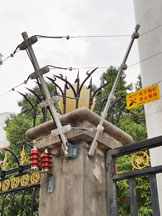
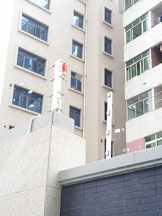
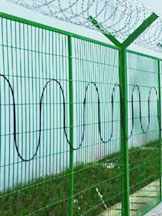
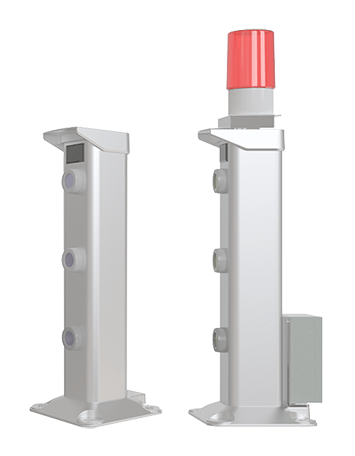
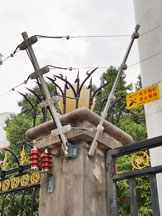
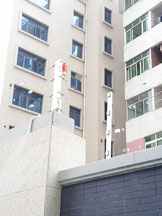
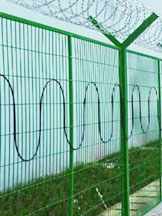
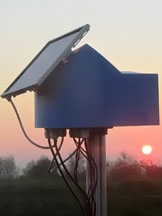
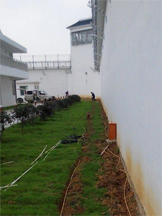
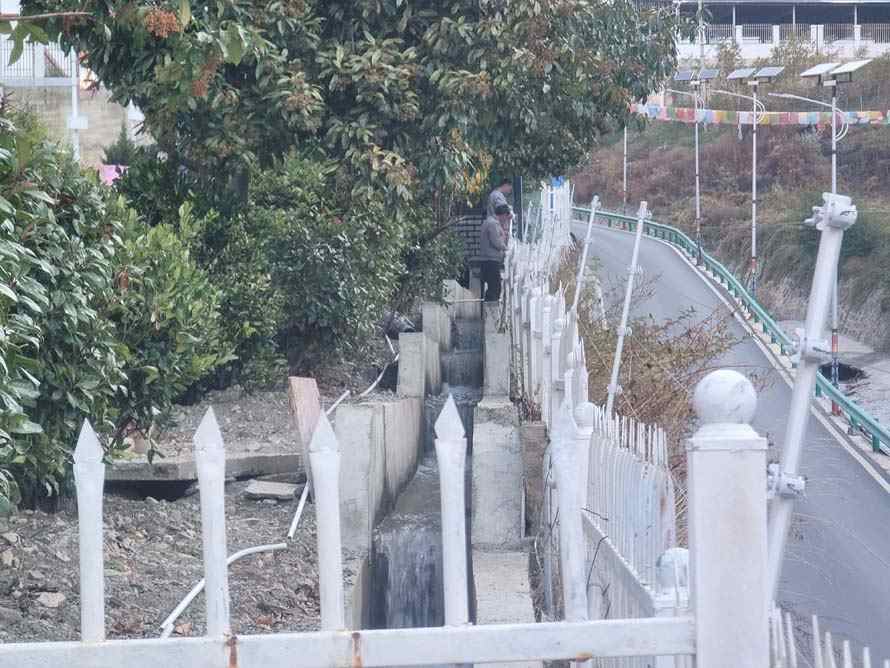
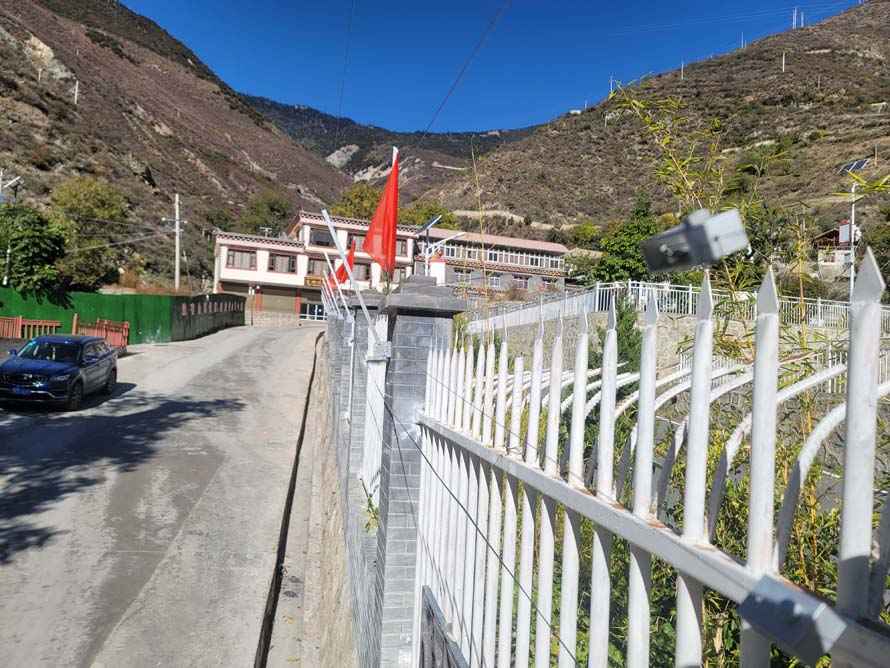
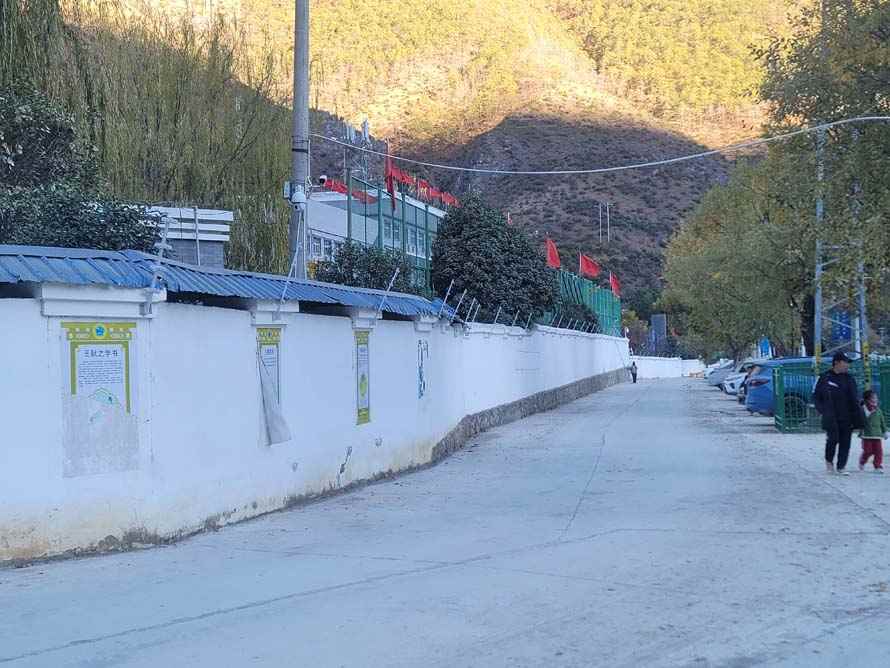
Electronic Fence case at an elementary school in Diqing, Yunnan.
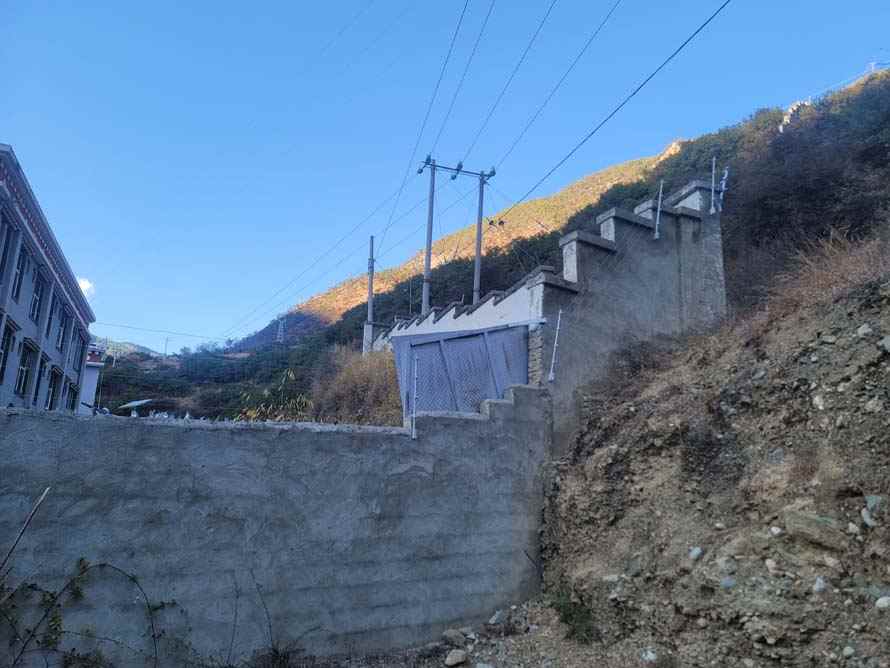
Diqing Tibetan Autonomous Prefecture in Yunnan lies on the southeastern edge of the Qinghai-Tibet Plateau, with an average altitude of over 3,000 meters, a cold climate and complex terrain. Many local schools are built against hills, and their campus perimeters often adjoin woodland, sloped land or rural roads. Traditional walls are not only costly to build but also prone to cracking due to geological settlement. To improve campus security, a middle school in Diqing Prefecture recently introduced a Pulse Electronic Fence system as the first line of perimeter protection, effectively compensating for the shortcomings of manual patrols and ordinary surveillance.
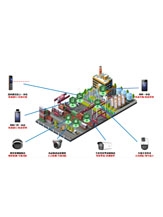
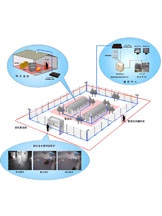
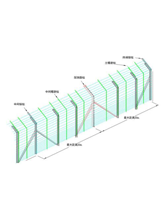
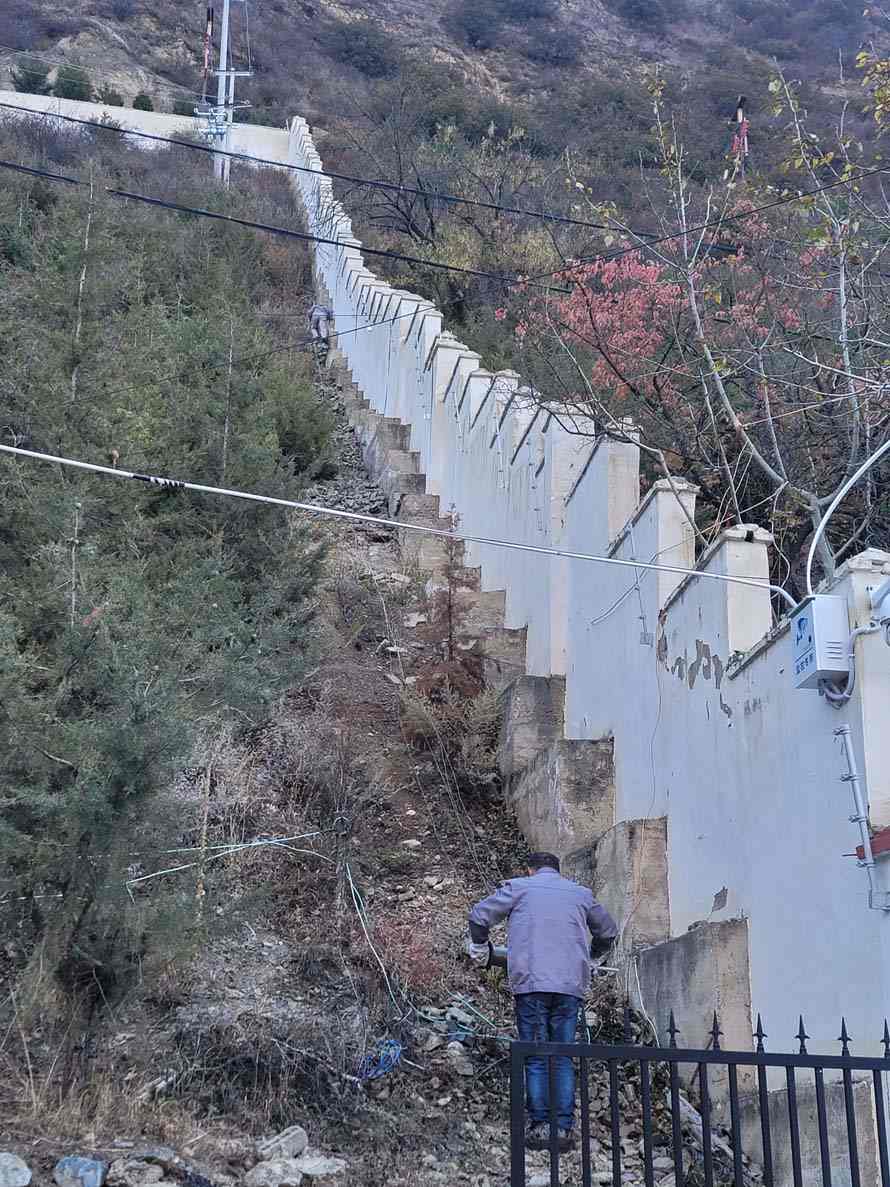
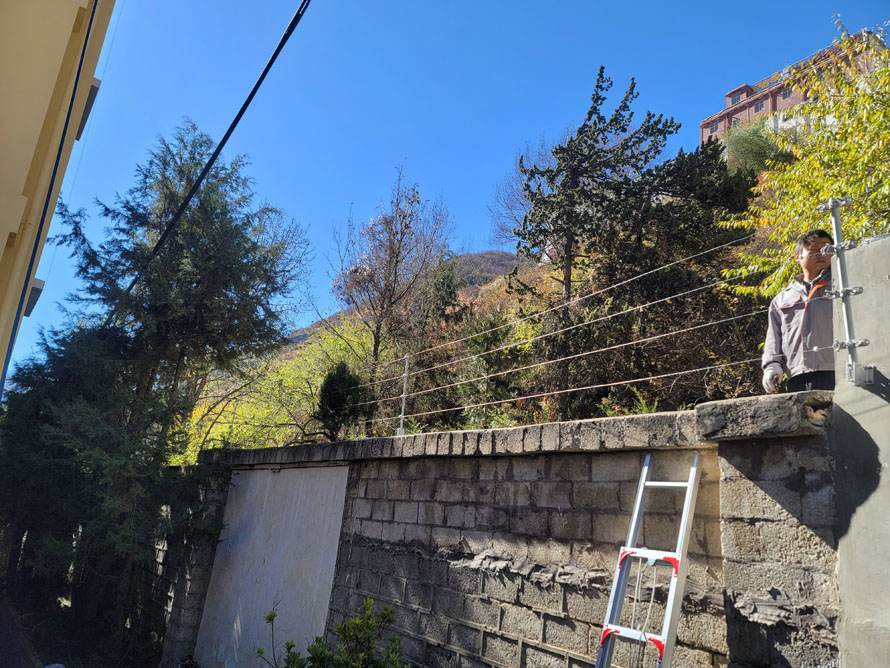
The school's Electronic Fence project mainly covered the outer walls and some open boundaries of the campus. According to the site terrain, the contractor adopted a four-wire Pulse Electronic Fence with post spacing set at 4 meters, avoiding steeply sloped ground and reasonably routing around drainage ditches and trees. The front end uses alloy wire with dual high-voltage pulse and low-voltage detection modes, so it alarms when touched or climbed without causing harm to the human body. Meanwhile, the Electronic Fence is linked with the campus's existing video surveillance system; once an alarm occurs, the monitoring platform immediately pops up the picture of the corresponding zone, allowing security staff to confirm the scene as quickly as possible.
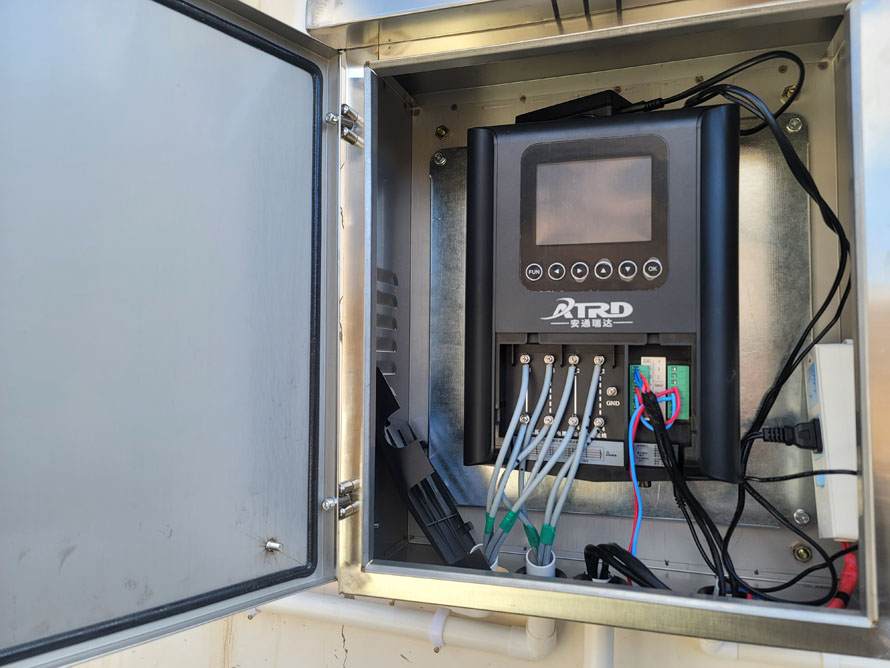
In design, the project fully considered the special environment of the Diqing plateau. Because of the large day-night temperature difference, strong ultraviolet rays and frequent winter snow, the selected outdoor control energizer is low-temperature resistant and corrosion-resistant, and the wiring terminals were sealed against water. In addition, the pulse voltage of the Electronic Fence was appropriately adjusted according to the local climate to avoid false alarms in thin air or high humidity. The school also arranged dedicated security personnel to receive equipment operation training, mastering basic skills such as arming, disarming, alarm reset and routine inspection, to ensure long-term stable operation.
After several months of operation, the effectiveness of the Electronic Fence gradually became evident. Incidents that used to occur from time to time—outsiders climbing over the wall and stray animals entering—decreased significantly, and security staff no longer needed to patrol the wall frequently. Once late at night, a branch blown down by strong wind pressed on the fence wire and triggered an alarm; security staff resolved it promptly through surveillance without causing panic. More importantly, the Electronic Fence exerted a strong deterrent effect, and students and parents generally reported a marked increase in their sense of campus security. The school principal said the system not only reduced the intensity of manual inspections but also gave people a new understanding of technical defense facilities.
Overall, deploying the Electronic Fence at this school in Diqing was not a simple equipment installation, but a targeted security upgrade that combined the geography, climate and campus management needs of the plateau. It proves that intelligent perimeter protection can operate reliably even in remote mountainous areas. This case also offers a useful reference for other primary and secondary schools in high-altitude areas: with limited funding, first using a Pulse Electronic Fence to build a strong perimeter line and then gradually integrating surveillance, alarm and access-control systems is a practical path to improving campus safety.
- Previous: Electronic Fence Case at an Elementary School in Nankai District, Tianjin
- Next: Electronic Fence Case at a New Industrial Park in Boluo, Huizhou
Please contact us right away or call the hotline: +86-13590284141. We will answer all your questions in detail. Project Manager Online