


















































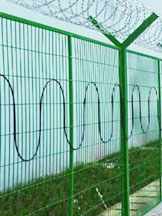


























When choosing a livestock electric fence energizer, many ranchers are easily misled by the theoretical maximum length listed in the product parameters. After actual deployment, they encounter problems such as insufficient voltage at the far end of the fence, reduced deterrence, and livestock easily breaking out. In a real ranch environment, the effective control distance of a single energizer should ideally not exceed 2 kilometers.
The rated distance stated in the energizer manual is mostly measured under ideal laboratory conditions: no weeds touching the wire, dry and well-conductive soil, no joint losses on the wire, and flat terrain without branches. Real ranch conditions fall far short of these ideals—weeds and shrubs leaning on the fence wire cause continuous leakage, wire joints, corners and branches all produce voltage attenuation, and mountains, slopes, damp or dry soil further consume the pulse energy.
As the fence length grows, the pulse voltage gradually decays along the wire. Beyond 2 km, the voltage near the energizer is normal, but the voltage at the end of the fence drops sharply and the electric deterrence weakens; when cattle or sheep touch it, they do not receive enough painful stimulation, and the fence loses its containment function. Even with a high-power energizer, once the distance is extended without limit, attenuation and leakage still exist; simply increasing power cannot fully offset the losses caused by long distances.
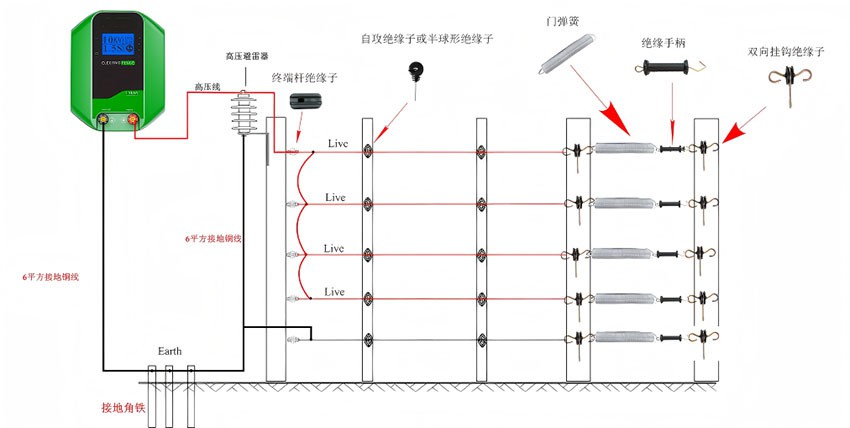
To ensure reliable protection along the whole fence, follow a few practical principles:
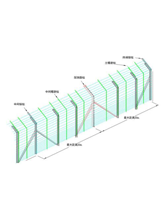
First, keep the effective fence length of a single energizer within 2 km, ensuring balanced voltage at both ends so that every section provides effective warning;
Second, when the total ranch perimeter exceeds 2 km, do not simply choose a single ultra-high-power energizer; a more reasonable approach is segmented deployment, with multiple energizers controlling separate zones. Keeping each segment within a reasonable distance gives higher overall stability and makes later troubleshooting easier;
Third, use wire with good conductivity, minimize joints, ensure proper insulator insulation, regularly clear weeds touching the fence, and build a good grounding system to minimize energy leakage;
Fourth, regularly use a fence voltmeter to check the far-end voltage; once the end voltage is clearly low, assess whether segmented modification is needed.
In short, theoretical parameters are only a reference for selection; ranch projects should prioritize the actual effective distance rather than the maximum rated distance in the manual. Keeping a single energizer within a 2 km control range ensures long-term stable operation of the livestock fence, reduces the risk of livestock escape, and lowers later maintenance costs.
- Previous: Third-Generation Laser Intrusion Detector
- Next: 没有了!
Please contact us right away or call the hotline: +86-13590284141. We will answer all your questions in detail. Project Manager Online